Last updated:
Why Hartford Properties Need Regular Roof Assessments
A professional roof inspection costs a fraction of the repair bill it prevents. In 2026, a standard residential assessment in Connecticut runs between $150 and $500. Compare that to the average interior water damage repair, which easily reaches $5,000 or more after a single harsh winter.
Hartford’s climate puts roofs through relentless stress. The region sees 48 to 51 inches of snow annually, intense freeze-thaw cycles from November through March, and humid summers that accelerate material degradation from the inside out. These conditions mean a roof that looks fine from the driveway may already have hidden damage in the attic or along the flashing details.
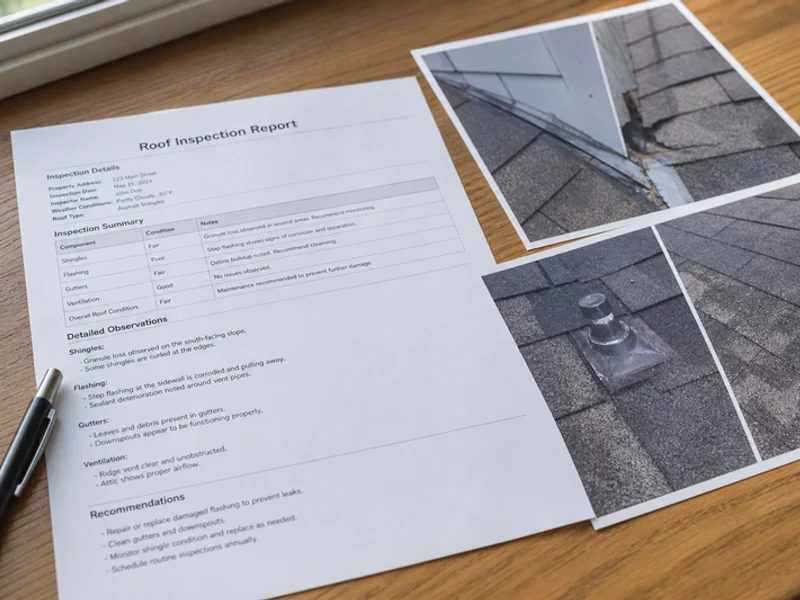
Hartford Roofing Company performs detailed, three-zone inspections covering the exterior surface, the attic space, and the interior ceilings. You receive a written report with photographs and clear condition ratings you can use for insurance, real estate transactions, or your own maintenance planning.
The Three Zones We Inspect
A ground-level visual scan tells you almost nothing about the actual condition of a roof. Modern inspections require close, methodical examination of every layer, and we use tools like infrared cameras and digital moisture meters to find problems the naked eye misses.
Zone 1: The Roof Surface
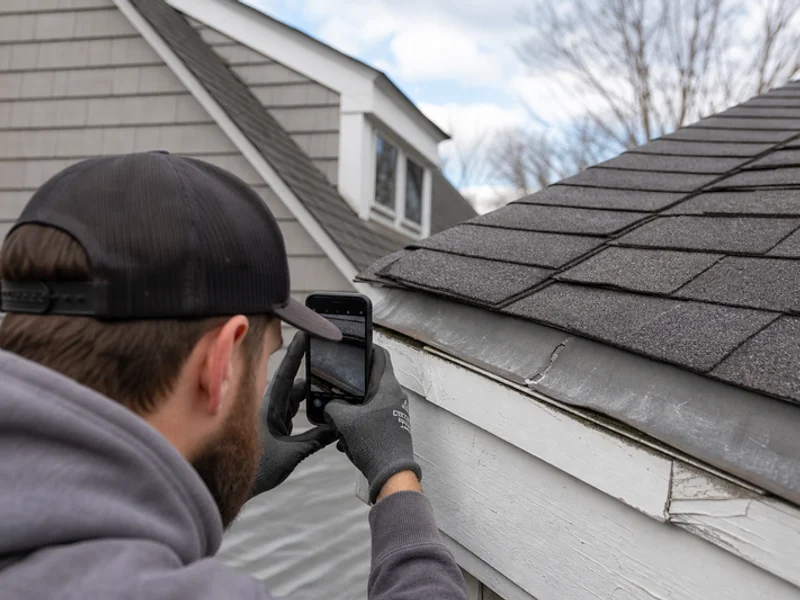
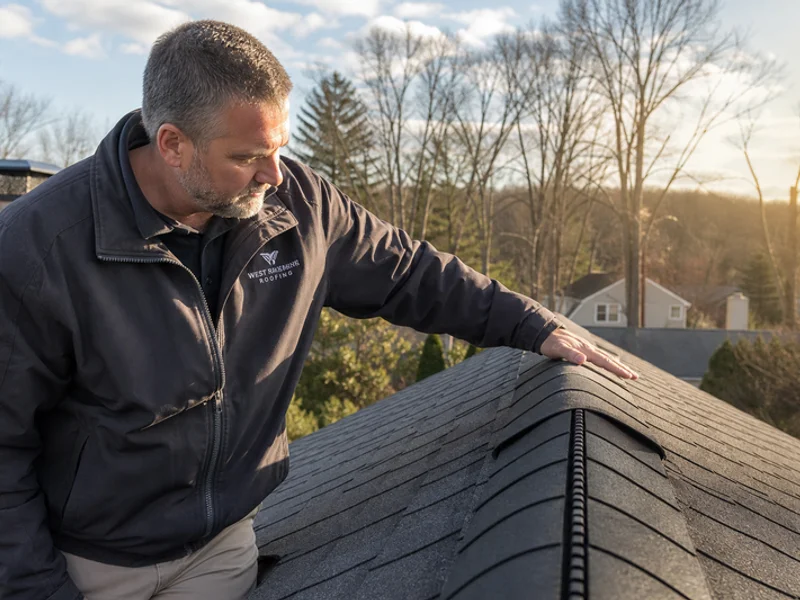
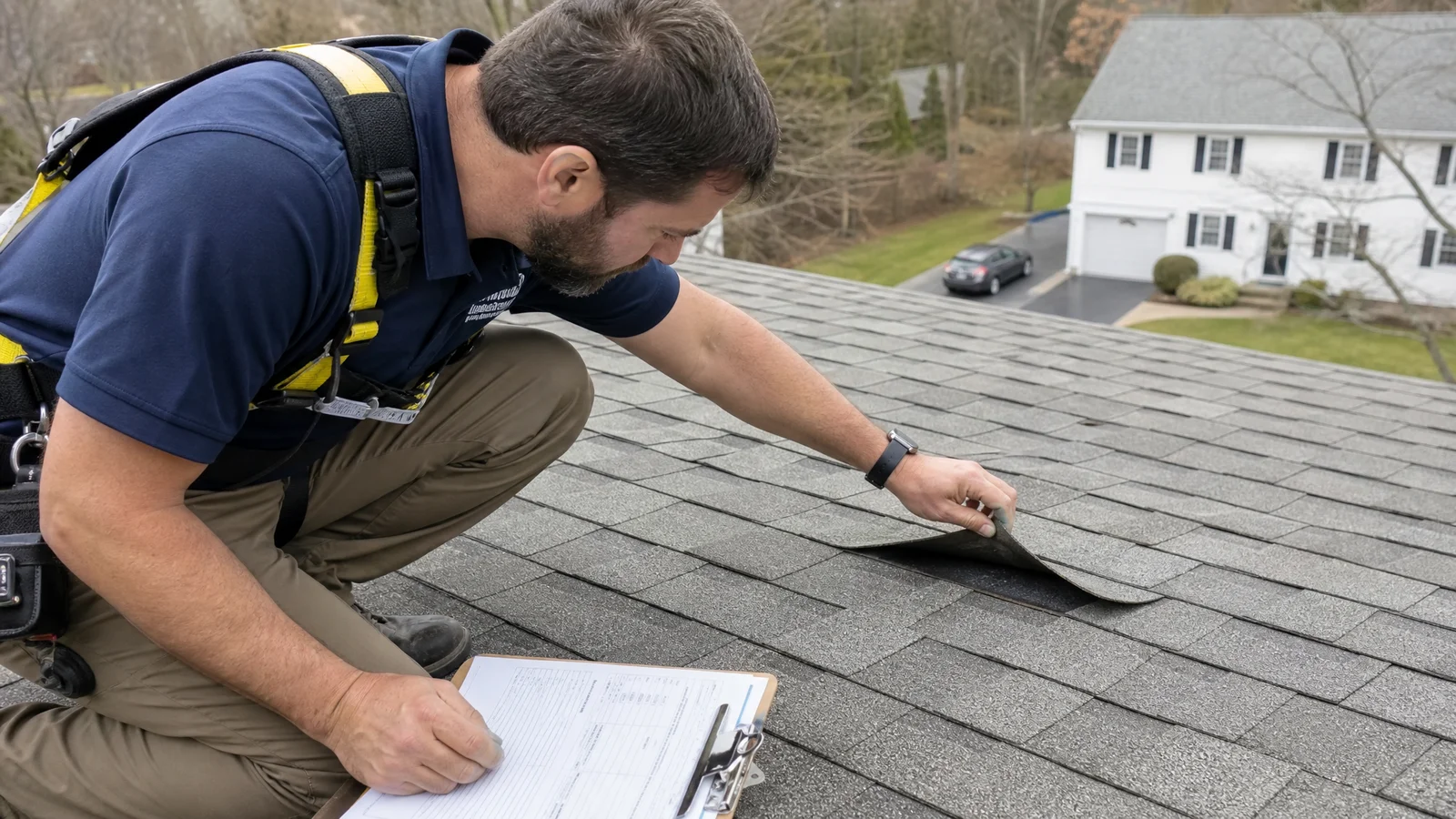
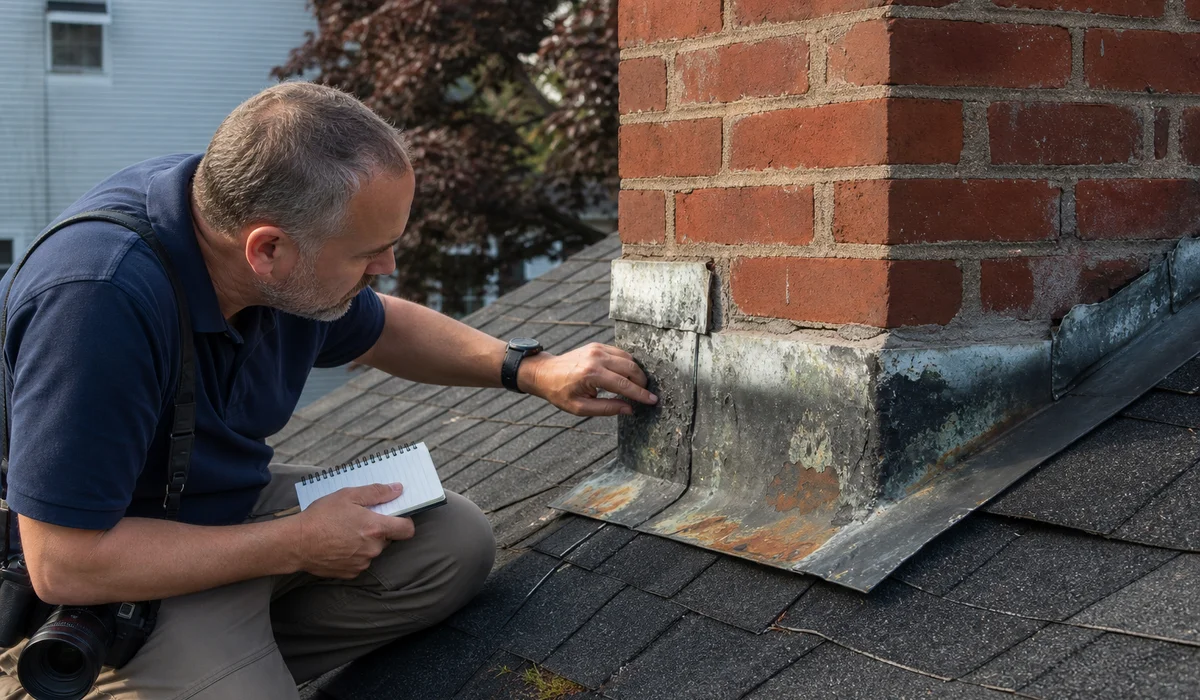
Our inspector walks the roof and photographs every critical area. This includes shingle condition, granule loss, curling or lifting tabs, cracked pipe boots, valley integrity, ridge cap condition, and all flashing details at chimneys, walls, and skylights. Each finding gets a condition rating and a note on urgency.
Zone 2: The Attic Space
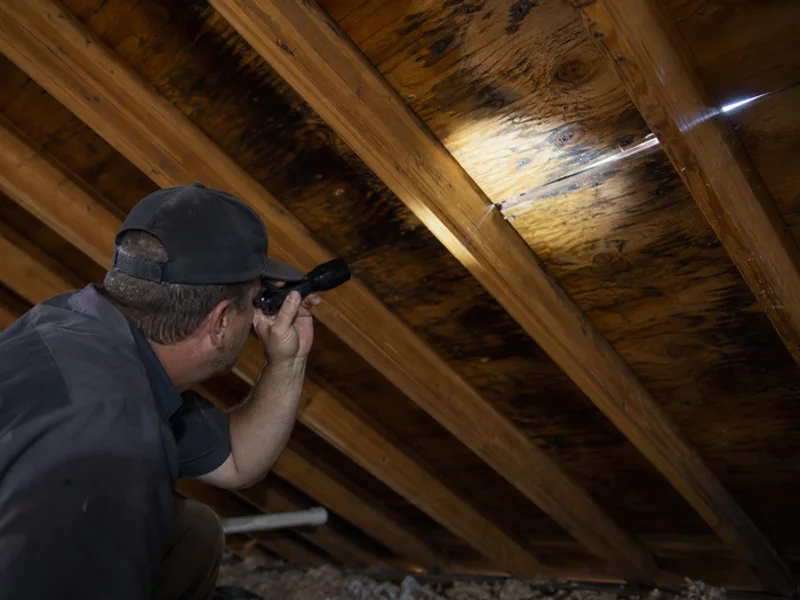
The attic reveals problems that the roof surface hides. We check for daylight penetrating through the deck, moisture staining on rafters and sheathing, insulation depth and condition, and ventilation balance between soffit intake and ridge exhaust. Trapped moisture in the attic is one of the primary drivers of premature roof failure in Central Connecticut.
Zone 3: Interior Ceilings and Walls
Inside the home, we examine ceilings and upper walls near ridges, valleys, chimneys, and skylights for signs of past or active leaks. Brown stains, bubbling paint, or damp spots all point to water that has already found its way in.
Connecticut-Specific Trouble Spots
Not every roof area carries the same risk. In Hartford County, certain zones consistently fail first due to the local climate. Here is a breakdown of the areas we pay closest attention to during every assessment.
| Inspection Area | Local Climate Threat | What Failure Means for You |
|---|---|---|
| Eave and Drip Edge | Heavy ice dam formation | Water backs up under shingles and destroys the roof deck from the edge inward. |
| Attic Ventilation | Trapped summer heat and winter moisture | Excess heat bakes asphalt shingles from below, cutting years off their rated lifespan. |
| Chimney Flashing | Constant freeze-thaw cycles | Expanding ice cracks the metal-to-masonry seal, creating an immediate path for interior leaks. |
| Pipe Boots | UV degradation and thermal shock | Rubber gaskets crack around plumbing vents after 10 to 15 years, allowing pinhole leaks. |
When to Schedule a Roof Inspection
Timing matters. Many homeowners wait until water is dripping from the ceiling, but that is the most expensive way to discover a problem. Here are the most important triggers for scheduling an assessment:
- Before buying a home: A pre-purchase inspection is the single best investment for any buyer. In Hartford’s active real estate market, it protects you from inheriting a $15,000 surprise.
- After a major storm: Wind and hail damage are often invisible from the ground. After any severe weather event, a roof-side inspection catches lifted tabs, granule loss, and flashing displacement.
- At the 15-year mark: Asphalt shingles in Connecticut typically last 20 to 30 years. A halfway-point check documents the condition and helps you plan for future replacement.
- Every 2 to 3 years on a healthy roof: Routine assessments catch slow-developing problems like gradual ventilation blockage, fascia rot behind gutters, and sealant degradation at penetrations.
- When you see interior signs: Brown ceiling stains, a damp-smelling attic, or recurring ice dam problems all warrant an immediate professional look.
What Happens After the Inspection
You receive a written report within one business day. The report includes photographs of every finding, condition ratings for each zone, urgency notes for anything that needs immediate attention, and a rough estimate of your roof’s remaining service life.
If repairs are needed, we provide an itemized estimate alongside the report. If your roof is in solid condition, we tell you plainly and recommend a timeline for your next check. Our reports are structured to work for insurance claims, real estate negotiations, and personal maintenance planning.
“Catching a $300 flashing issue today prevents a $5,000 interior water damage repair after a harsh Connecticut winter. That is the real value of a proactive assessment.”
Many insurance companies in 2026 use aerial imagery to flag unmaintained roofs and adjust premiums. Having a documented inspection history keeps your rates stable and proves you are maintaining the property responsibly.
Older Homes Need Extra Attention
Neighborhoods like Asylum Hill, the West End, and the South End contain homes built in the early 1900s with complex roof geometries, multiple valleys, dormers, and chimney penetrations. These architectural features create more failure points than a simple gable roof on a modern subdivision home. Our inspectors are experienced with the specific challenges of these older structures, including multi-layered roof systems, original slate details, and vintage flashing methods that need careful evaluation.
Do not wait for a leak to force your hand. Contact Hartford Roofing Company today to schedule a comprehensive roof inspection and protect your property before the next storm season arrives.